
We build intelligent
systems for Canadian businesses
From generative AI to enterprise platforms — production-grade software for agriculture, fintech, e-commerce, and more.




Active Projects
Years in Business
Industries Served
Canadian Owned
What we build
We design and build AI-powered software, web applications, and data platforms for organizations across Canada. From custom LLM integrations to full-stack enterprise systems, every project is engineered for production.

Generative AI
Custom LLMs, RAG systems, chatbots, and automated content pipelines.
AI-Powered Apps
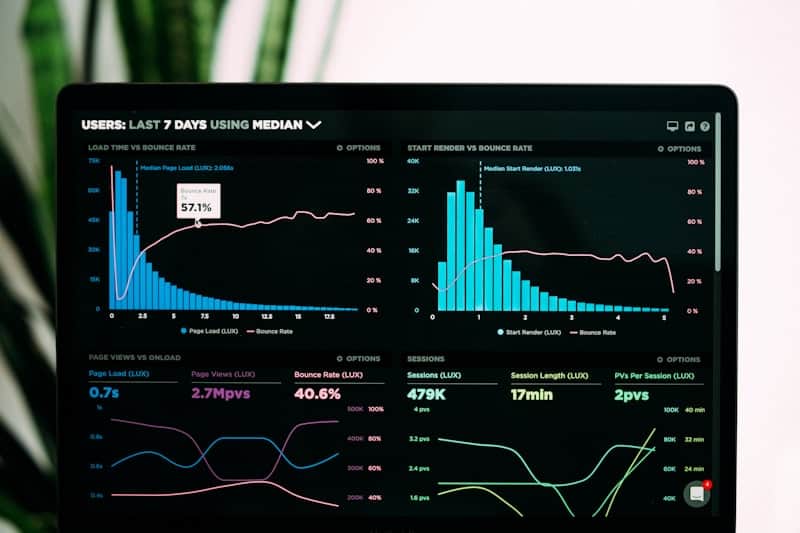
Full-stack applications with predictive analytics and ML integration.
AI Integration
Embed intelligence into existing systems and automate workflows.
Selected projects
Real solutions delivered for clients in agriculture, fintech, environmental science, and sports technology — built with modern tools and designed to scale.
All projects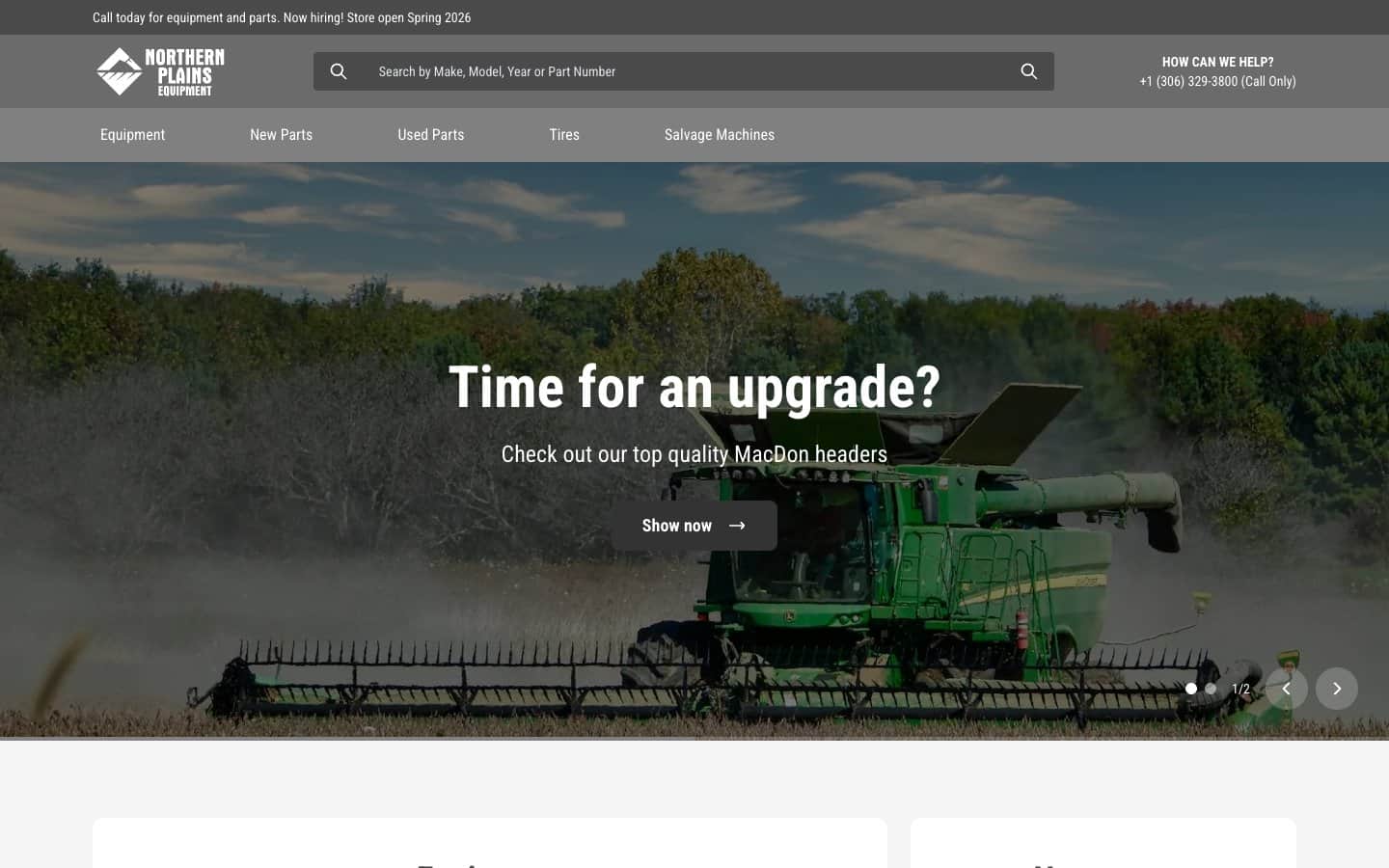
Northern Plains Equipment
Agricultural equipment e-commerce with product search by make, model, and year.
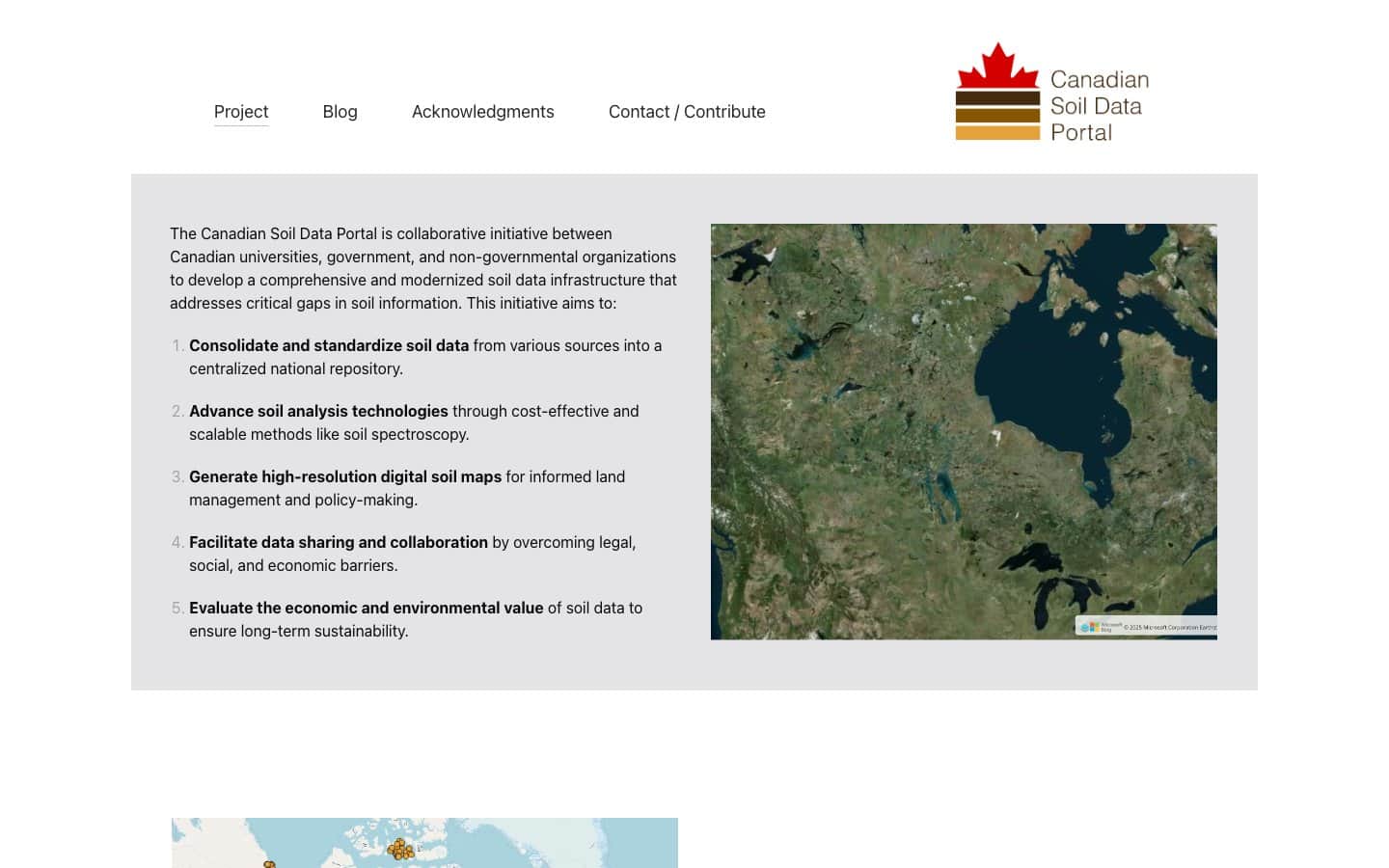
Canadian Soil Data Portal
National soil database with interactive mapping and data workflows.
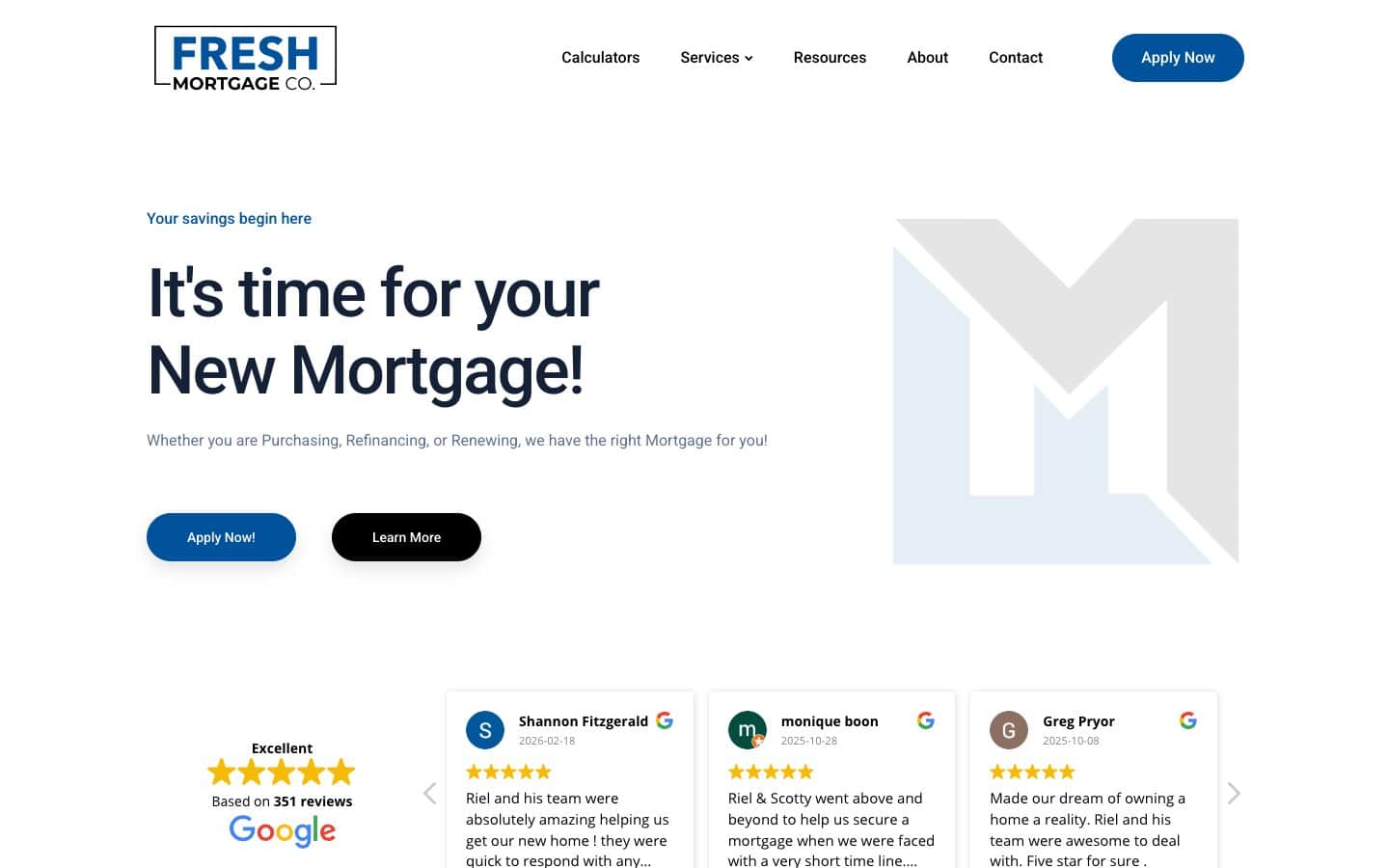
Fresh Mortgage Portal
Mortgage portal with calculators, CRA auth, and Google reviews.
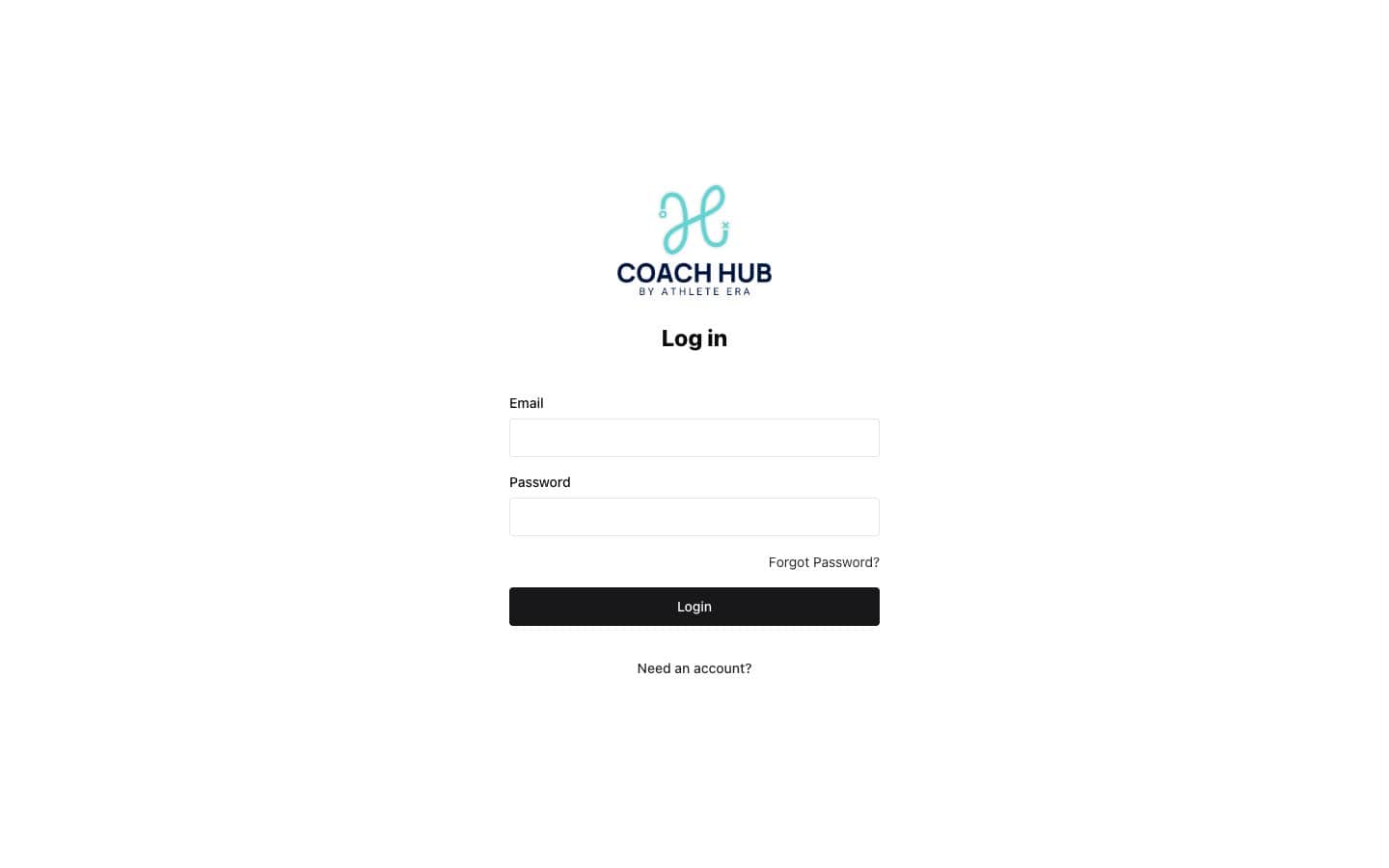
Athlete Era CoachHub
AI-powered sports content generation and management platform.
Production software, built for Canadian operators
Applied AI, modern web applications, and geospatial platforms for organizations across Canada — shipped since 2018. We have worked with universities, government organizations, agricultural cooperatives, fintech startups, environmental research foundations, and private-sector enterprises, and every engagement is structured around a concrete outcome rather than a vague activity plan.
Read more about how we approach projects▾
Nimon Systems is a software consultancy based in Saskatoon that works with organizations across Canada on applied artificial intelligence, modern web applications, and geospatial platforms. We have been shipping production systems since 2018 for clients in agriculture, fintech, e-commerce, environmental science, and sports technology, which means our engineering decisions are informed by what actually works at scale rather than what looks good in a slide deck or a conference demo.
Every engagement begins with a structured discovery conversation. Before writing a single line of code we want to understand the problem you are trying to solve, the constraints you are working within, the people who will use the system, and the data you already have available. From there, we scope the work into deliverables with honest timelines and a clear definition of done. We prefer short feedback loops over long upfront design documents, which is why our clients see working software early and often throughout every project rather than waiting months for a big reveal.
On the AI side we build retrieval-augmented generation systems, custom large language model integrations, predictive analytics pipelines, document understanding workflows, and conversational agents. We work with the major commercial providers such as OpenAI and Anthropic when that is the right fit, and we deploy open-source models on private infrastructure when data residency, cost, or latency make that the better choice. Our team has shipped LangChain and LangGraph pipelines into production, written custom embedding strategies for specialized vocabularies, and built the monitoring and evaluation tooling needed to keep these systems healthy over time.
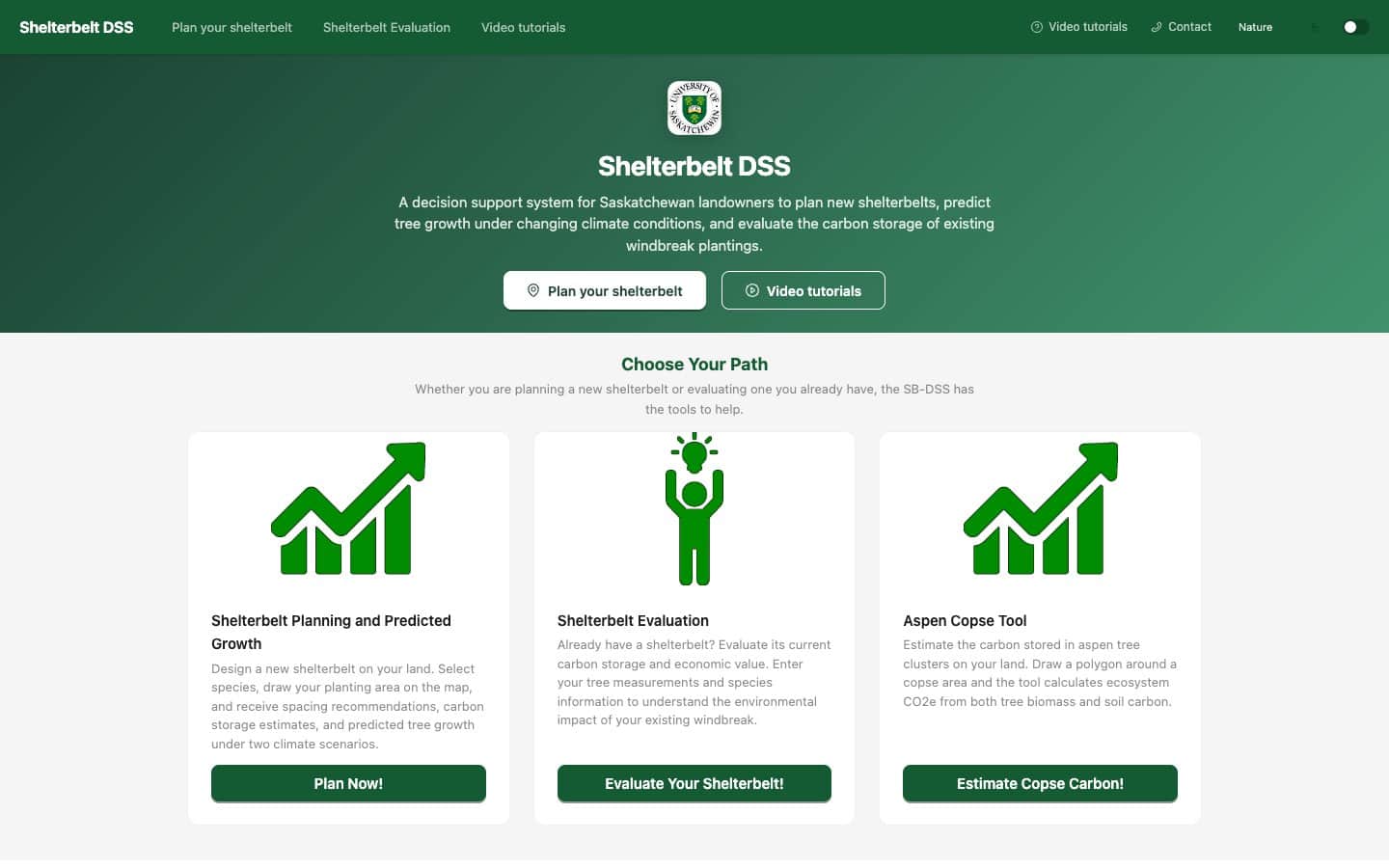
On the web and platform side we build full-stack applications with React, Next.js, Golang, Python, Node.js, and PostgreSQL. We handle the full lifecycle from database schema and API design through frontend implementation, authentication, deployment, and observability. Our geospatial work uses PostGIS, GeoServer, GeoNode, and custom mapping interfaces built with Leaflet, Mapbox, and D3.js. Recent projects include the Canadian National Soil Database, the Saskatchewan Digital Soil Map, the Shelterbelt Decision Support System, and the Grassland Monitoring Platform — large-scale platforms that manage millions of spatial records while staying responsive in the browser.
After launch, we stay involved. Every client gets documentation, monitoring dashboards, and a clear handoff plan so their team can take ownership with confidence. When you need ongoing support, enhancements, or a new feature, we are a phone call or a Slack message away. We have worked with some of our clients continuously since 2018, and those long relationships are something we value because they mean the software we wrote years ago is still earning its keep in production today.
We think carefully about what not to build as much as what to build. A feature that looks neat in a demo but makes the system harder to operate is a bad tradeoff, and so is an abstraction that saves twenty lines of code today at the cost of twenty hours of debugging next year. Our default instinct is to ship the smallest thing that solves the actual problem, ship it behind a clear interface, and revisit it only if the problem changes or the system tells us it needs to change. This bias toward restraint is why our code tends to age well and why our clients can add new engineers to a codebase we wrote three years ago without having to throw out the architecture.
Canadian data residency and compliance requirements matter for many of our clients, particularly in government, research, and financial services contexts. We have experience deploying systems to Canadian cloud regions, handling personal information under provincial privacy legislation, working with clients subject to the federal Personal Information Protection and Electronic Documents Act, and navigating research ethics board requirements when academic partners are involved. When your problem has regulatory dimensions, we are comfortable working through them with your legal team rather than pretending they do not exist.
Above all we try to be honest about what software can and cannot do. Artificial intelligence is a powerful tool for certain classes of problems and a distraction for others, and we will tell you which category your situation falls into even if it means talking ourselves out of an engagement. Web platforms solve real business problems when the requirements are clear and the team has capacity to maintain what gets built, and they become expensive technical debt when those conditions are not met. The most valuable thing we can do in many first conversations is help you decide whether this is the right moment to build software at all, and if the answer is yes, what should come first. That kind of clarity is worth more than a proposal that tells you everything is possible.
If any of this resonates with a problem you are working on, we would genuinely enjoy hearing about it. First conversations are free, structured to be useful regardless of whether they lead to paid work, and always with the engineers who would be doing the actual building rather than a sales intermediary. Book a time through the schedule page, send a note to tom@nimon.ca, or call the number in the footer. We look forward to hearing from you.